Dr. Samuel Mugo
MacEwan University
|
|
|||
Mini Bio
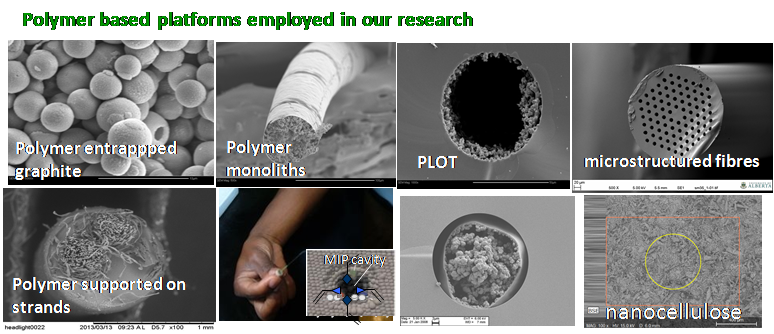
Research Interests: Electrochemistry/Environmental/Analytical Chemistry My research group focusses on the study and development of synthetic and biomass polymer based materials and study of their interaction with other molecules of interest. Our objectives are to employ these functional materials for the following project themes:
Research Key Words: Electrochemistry, Biosensors, Responsive Polymers and Hydrogels, Cellulose Nanocrystals, Analytical SeparationsNewsContact me if interested in a research position. |
||||
| Year | Winter | Fall |
|---|---|---|
| 2013 | Chem 213: Analytical Chemistry II Chem 498: Independent Research Course |
Chem 211: Analytical Chemistry I Chem 311: Advanced Instrument Analysis Chem 270: Environmental Chemistry |
| 2014 | Chem 213: Analytical Chemistry II Chem 498: Independent Research Course |
Chem 211: Analytical Chemistry I Chem 311: Advanced Instrument Analysis Chem 270: Environmental Chemistry |
Dr. Samuel Mugo
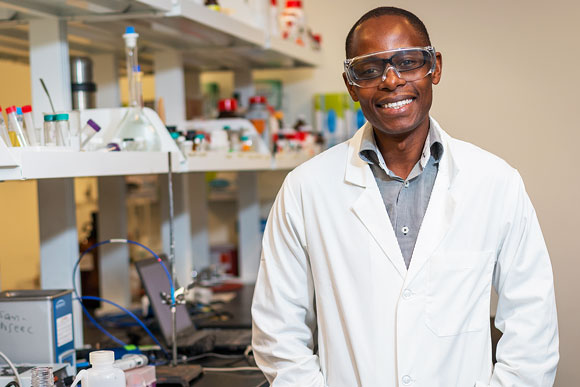
Dr. Samuel Mugo graduated with a PhD in analytical chemistry from Memorial University of Newfoundland, Canada in 2006. He took a two year postdoctoral position at Queens University, Ontario, Canada (2007-2008) where his focus was development of microfluidic mass spectrometry platforms for clinical diagnosis. He has been an Assistant professor (analytical chemistry) at MacEwan University from July 2008 to June 2014. In July 2014, He was promoted to be an Associate professor.
My current research program that heavily engages Undergraduate students involves:
- Fundamental study of interfacial behavior of modified cellulose nanocrystal (CNC) nanoparticles, CNC based films and Janus particles for microencapsulation and sensor applications.
- Study and development of responsive polymer hydrogels for low cost and remote deployable chemical and (bio)chemical sensor applications (focus on environmental and food analysis)<;li>
- Analytical and preparative separations method development of synthetic and natural products
- Development of value added products from plant oils and cellulosic materials towards coatings applications and as low cost materials for water contaminants remediation
Undergraduate Researchers
|
Lauren Huybregts: (BSc. Physical Sciences, MacEwan University): My projects involve hydroxylated wax ester synthesis from plant oils, in particular Canola and Camelina oils, and their evaluation for fruit coatings. I also recently received an award by NSERC-USRA to carry out a project on carbon based imprinted polymer sensor for THC detection in saliva. |
 |
 |
Jason Chan (BSc. Chemistry, University of Alberta): I am currently volunteering as an undergraduate researcher for Dr. Mugo. The past couple of years I have been working on i) inorganic (Hg, Ad and Cd) and organic (PAHs) contaminants interaction with a host of biomass derived sorbents such as nanocellulose, lignins, and biochar. Both GC-MS and ICP-OES were heavily used in this project; ii) My current project is on development of antibiotics imprinted polymer modified carbon based electrode with differential pulse voltammetric detection. |
| Darren Berg (BSc. Physical Sciences, MacEwan University): I am working on selective polymers such as Molecularly Imprinted Polymers (MIP) and responsive polymer hydrogels for
integration in portable and inexpensive chemical sensor devices.
I am currently working on i) resveratrol MIP’s electrochemical sensors for detection of resveratrol in wine; ii) In collaboration with Dr. Michael Serpe Group, we have started working on lipase encapsulated microgel for blood lipid analysis. |
 |
 |
Casey Rusin (BSc. Physical Sciences, MacEwan University): Awarded an NSERC-USRA (2014), our research involves eco-friendly and affordable applications of nanocellulose. Nanocellulose, known for its unique surface chemistry, has proven ideal in the adsorption of environmental contaminants, i.e. heavy metals and organics, and has potential in the development of universal water filters for household use. We have also examined the use of nanocellulose as an additive in wax encapsulation of flavour agents. Our research is not solely limited to flavours, in the future we intend on using developed methods to encapsulate biopesticides in fruit applications. Currently, we are investigating the cellulose content in ruminant digestive cellulose from cattle manure and comparing it to synthetically derived cellulose from hay using acid hydrolysis. We study the surface chemistry and modified nanocellulose films. |
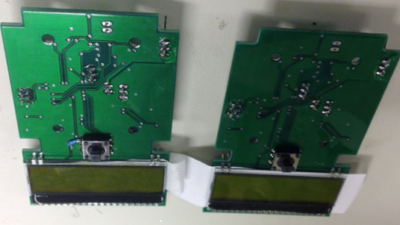
| Aaron Stefanyshyn (BSc. Physical Sciences, MacEwan University): My project has been a collaboration between Drs Orla Aaquist (Physics), Nick Boers (Computer Science), Alex Krieger (Computer Science) and Samuel Mugo (Chemistry). The goal is to develop an inexpensive (< $100), portable potentiostat as a mobile electroanalytical instrumentation for chemical analysis. The device is adaptable to commonly used electrode probes and we have tested our device (depited below) for analysis heavy metals and resveratrol in wine. |
 |
Current Collaborators
- Dr. Margaret Ndinguri, Eastern Kentucky University
- Dr. Mark Furze, MacEwan University
- Dr. Anna Pienkowski, MacEwan University
- Dr. Michael Serpe, University of Alberta
- Dr. James Kariuki, University of Alberta
Past Research Team Members
- James Mazurok, 2012-2013 Undergraduate student
- Kyle Tiedeman, 2012-2013 Undergraduate student
- Yiran Zhang, 2013-2014, Masters Student (Co-supervised with Dr. Jonathan Curtis, University of Alberta, AFNS)
- Dr. Ting Zhou, 2010-2012, Postdoctoral Fellow
- Karl Ayton, 2009-2011 Undergraduate Student
- Carrie Howard, 2010/2011 Undergraduate student
- Linh Tran, 2011 Undergraduate Student
- Jennifer Baltas, 2011 Undergraduate student
- Patrick Rosser, 2011 Undergraduate student
- Dr. Tuan Nurul Sabiqah Anuar, PhD (Co-supervised with Dr. Jonathan Curtis, University of Alberta, AFNS)
- Merrill Singleton, 2009 Summer student
- Alex Cerezero, 2009 Summer Student
Past Collaborators
- Dr. Andreas Schieber (AFNS)
- Dr. Jonathan Curtis ( AFNS)
- Dr. Jonathan Withey (MacEwan University)
- Highmark Renewables Research
- Dr. Peter Njenga (Botany Department, JKUAT)
- Dr. Melissa Hills (MacEwan University)
Samuel Mugo ORCID: https://orcid.org/0000-0002-0015-1947
Recent publications
Invited Book Chapters Accepted
- Dhanjai, Ankita Sinha, Huimin Zhao, Jiping Chen, and Samuel M. Mugo. Determination of Chemical Oxygen Demand: An Analytical Approach. Invited Book Chapter in WATER ANALYSIS | Chemical Oxygen Demand in Encyclopedia of Analytical Science Third Edition. Submitted August 2018-Accepted September 2018.
- Mugo SM, Huybregts L*, Zhou T, Ayton K. Polymer-monolith-microextraction for Gas Chromatography. Published in December 2011, as a book chapter, InTech - Gas Chromatography / Book 3
Invited Book Chapters Submitted and Under Review
- Ankita Sinha, Dhanjai, Samuel M. Mugo, Huimin Zhao, Jiping Chen, Rajeev Jain. Electrochemical Immunosensor for Rapid Detection of Breast Cancer Biomarkers. Invited Book Chapter in Advanced Biosensors for Healthcare: Materials and Application book published by Elsevier. Submitted August 2018-Under review.
- Mugo SM. An overview of synthetic polymer-based advanced monitoring tools and sensors. Benefits and applications in environmental toxicology. Invited Book Chapter in the book “Tools, Techniques, and Protocols for Monitoring Environmental Contaminants” to be published by Elsevier Inc. Submitted March 2018-Under review.
- Dhanjai, Ankita Sinha, Jiping Chen, and Samuel M. Mugo. Molecular imprinted polymer-based biosensors for the detection of pharmaceutical contaminants in the environment. Invited Book Chapter in the book “Tools, Techniques, and Protocols for Monitoring Environmental Contaminants” to be published by Elsevier Inc. Submitted February 2018-Under review.
- Samuel M. Mugo, and Qiang Zhang. Nano-sized structured platforms for facile solid phase nanoextraction for molecular capture and (bio)chemical analysis. Invited book chapter for "Design of Materials for Sensing at Nano-level". Submitted December 2017-Under review.
Published Journal Articles
- Faheem Ahmed, Ameer Azam, Mohammad Mansoob Khan, and Samuel M. Mugo. Editorial: Advanced Nanomaterials for Biological Applications. Journal of Nanomaterials, Volume 2018, Article ID 3692420. https://doi.org/10.1155/2018/3692420.
- G. Bharath, E.Alhseinat, R.Madhu, S. M. Mugo, S. Alwasel, A. H. Harrath. Facile Synthesis of Au@a-Fe2O3@RGO Ternary Nanocomposites for Enhanced Electrochemical Sensing of Caffeic Acid toward biomedical applications. Journal of Alloy and compounds,750, 819-827, 2018.
- S.M. Mugo, D. Berg*, and G. Bharath. Integrated Microcentrifuge Carbon Entrapped Glucose Oxidase Poly (N-isopropylacrylamide) (pNIPAm) Microgels for Glucose Amperometric Detection. Analytical Letters, accepted July 2018. https://doi.org/10.1080/00032719.2018.1499027.
- Noor Hidayah Idrohani, S. M. Mugo, Sabiqah Tuan Anuar. Synthesis and characterization of mesoporous polymer-silica hybrid monolith using conventional sol-gel method for enzyme support. Malaysian Journal of Analytical Sciences, 22(1), 2018. DOI: 10.17576/mjas-2018-2201-03.
- Mugo SM, and Tiedemann K*. Lipase Loaded Microreactor for the Automated Derivatization of Lipids. Analytical Letters, 2017, 50: 1410-1421.
- E. S. Madivoli, P. G. Kareru , A. N. Gachanja, S. M. Mugo , M. K. Murigi , P. K. Kairigo, Cheruiyot Kipyegon, J. K. Mutembei and F.K. Njonge. Adsorption of Selected Heavy Metals on Modified Nanocellulose. International Research Journal of Pure & Applied Chemistry 12(3): 1-9, 2016. DOI: 10.9734/IRJPAC/2016/28548.
- Qiang M. Zhang, Juan Colazo*, Darren Berg*, Samuel M. Mugo and Michael J. Serpe. Multi-Responsive Nanogels for Targeting Anti-Cancer Drug Delivery. Molecular Pharmaceutics, 2017, 14: 2624-2628.
- Qiang Matthew Zhang, Darren Berg, Jiaqi Duan*, Samuel M. Mugo and Michael J. Serpe. Optical Devices Constructed from Ferrocene-Modified Microgels for H2O2 Sensing. ACS Appl. Mater. Interfaces, 2016, 8 (40), pp 27264–27269: DOI: 10.1021/acsami.6b11462.
- Withey JM, Mugo SM, Zhou T, Rosser PM*, Achtymichuk D, Gao T. (2016). Biodegradation of hormones and antimicrobials in cattle manure using thermophilic anaerobic digestion. Journal of Chemical Technology & Biotechnology, 2016, 91: 2404-2411. DOI: 10.1002/jctb.4823.
- Mugo SM, Huybregts L*, Mazurok J*. (2016). Adjustable methacrylate porous monolith polymer layer opentubular silica capillary microextraction (PLOT-ME) device and application to PAHs analysis. Analytical Letters 2016, 49: 1824-1834. DOI:10.1080/00032719.2015.1129540.
- Piénkowski, A.J., Gill, N.*, Mugo, S., Furze, M.F.A.(2016). Arctic Sea-Ice Proxies: biogeochemical versus micropalaeontological approaches. Accepted in July 2016 to Halocene Journal.
- S. M. Mugo, B. J. Edmunds*, D. J. Berg*, and N. K. Gill*. (2015). An integrated carbon entrapped molecularly imprintedpolymer (MIP) electrode for selective voltammetric detection of resveratrol in wine. Anal. Methods, 2015,7, 9092-9099. DOI: 10.1039/C5AY01799H.
- Mugo SM. Hydroxylated canola biowaxes: nanocellullose composite microspheres for controlled release of aroma agents. Inform magazine, December Issue, 2015, 636-638. http://aocs.files.cms-plus.com/images/InformArchive/Inform_NOV_DEC_2015%20609-688_Final.pdf. DOI:10.21748/inform.11.2015.636.
- Zhang QM, Berg D*, Mugo SM, Serpe MJ. Lipase-modified pH-responsive microgel-based optical device for triglyceride sensing. Chem. Commun., 2015, 51, 9726-9728.
- Anuar ST, Mugo SM, Curtis JM. A flow-through enzymatic microreactor for the rapid conversion of triacylglycerols into fatty acid ethyl ester and fatty acid methyl ester derivatives for GC analysis. Analytical Methods, 2015, 7, 5898-5906.
- Mugo SM, Huybregts L*, Mazurok J*. A porous layer open tubular monolith on microstructured optical fibre for microextraction and online GC-MS applications. Analytical Methods 2014 ,6: 1291-1295. (SELECTED AS HOT ARTICLE IN ANALYTICAL METHODS).
- Walsh KD*, Sanderson D*, Hall LM, Mugo SM, Hills MJ. Allelopathic effects of camelina and canola on wild oat, flax and radish. Allelopathy Journal 2014, 33 (1): 83-96.
- S. Tuan Anuar, Y.-Y. Zhao, S.M.Mugo, J.M. Curtis. The development of a capillary microreactor for transesterification reactions using lipase immobilized onto a silica monolith. Journal of Molecular Catalysis B: Enzymatic 2013, 92: 62–70.
- Mugo SM, and Ayton K*. Lipase Immobilized Methacrylate Polymer Monolith Microreactor for Lipid Transformations and Online Analytics. Journal of the American Oil Chemists' Society , 2013, 90(1): 65-72.
- S. Tuan Anuar, Y.-Y. Zhao, G. Liu, S.M.Mugo, J.M. Curtis. Monitoring the epoxidation of vegetable oils by LC/MS for process optimization and control. Journal of American Oil Chemists Society 2012, 89 (11): 1951-1960
- S. Tuan Anuar, Y.-Y. Zhao, G. Liu, S.M.Mugo, J.M. Curtis. The development of flow-through bio-catalyst microreactors from silica micro structured fibers for lipid transformations. Lipids 2011, 46 (6): 545-55.
- Mugo SM, Ayton K*. Lipase immobilized microstructured fiber-based flow-through microreactor for facile lipid transformations. Journal of Molecular Catalysis. B, 2010; 67: 202-207.
- Samuel M. Mugo, Graham T. T. Gibson, and Richard D. Oleschuk. Nanoelectrospray Multi-Emitters: Trends and Perspective (Reviews article). Mass Spec Rev 28:918–936, 2009.
- Samuel M. Mugo, Dale Marecak, Shuqin Su and Richard D. Oleschuk. A Microstructured Fiber as a Multi-channel Nanoelectrospray Emitter. Anal. Chem., 2009, 81 (17):7281–7287.
- Mugo SM, Gibson GT, and Oleschuk R. Surface-mediated effects of porous polymer monolith formation by micro-molding. Journal of Polymer, 2008; 49: 3084-3090
- Mugo SM, and Bottaro CS. Analysis of a-dicarbonyl compounds in drinking water by MALDI-TOF MS using 9-3,4-Diaminophenylacridine(DAA) as a reactive matrix. Rapid Commun. Mass Spectrom. 2008; 22: 1087-1093.
- Mugo SM, and Bottaro CS. Aquatic fulvic acid as a matrix for MALDI-TOF MS analysis. Rapid Commun. Mass Spectrom. 2007, 21(2): 219-228.
- Mugo SM, and Bottaro CS. Rapid on-plate derivatization of carbonyl compounds for enhanced detection by MALDI-TOF MS using a tailor-made reactive matrix (derivatizing agent), DMNTH. J. Mass Spectrom. 2007; 42(2): 206-217.
- Mugo SM, and Bottaro CS. Characterization of Humic Substances by MALDI-TOF MS. Rapid Commun. Mass Spectrom. 2004, 18(20); 2375-2382.
Philosophy of my Research Program
In keeping with one of the MacEwan University Pillars, Students first, my research philosophy is
to use my research program as a training ground for mentorship of students in science
innovation— a focus on fostering innovation mindset in students.
To innovate, students are nudged and trained to be problem solvers through my research
program focused on design, fabrication and study of ‘smart’ responsive nanomaterials, and
embedding them as molecular receptors in development of frugal chemical sensors, towards
applications in core global problem areas: health, food, and environment. The hallmark of our
research is building international interdisciplinary teams within MacEwan, in Canada and
extending our scope to building global teams.
My research program interests are centred around three related key research areas:
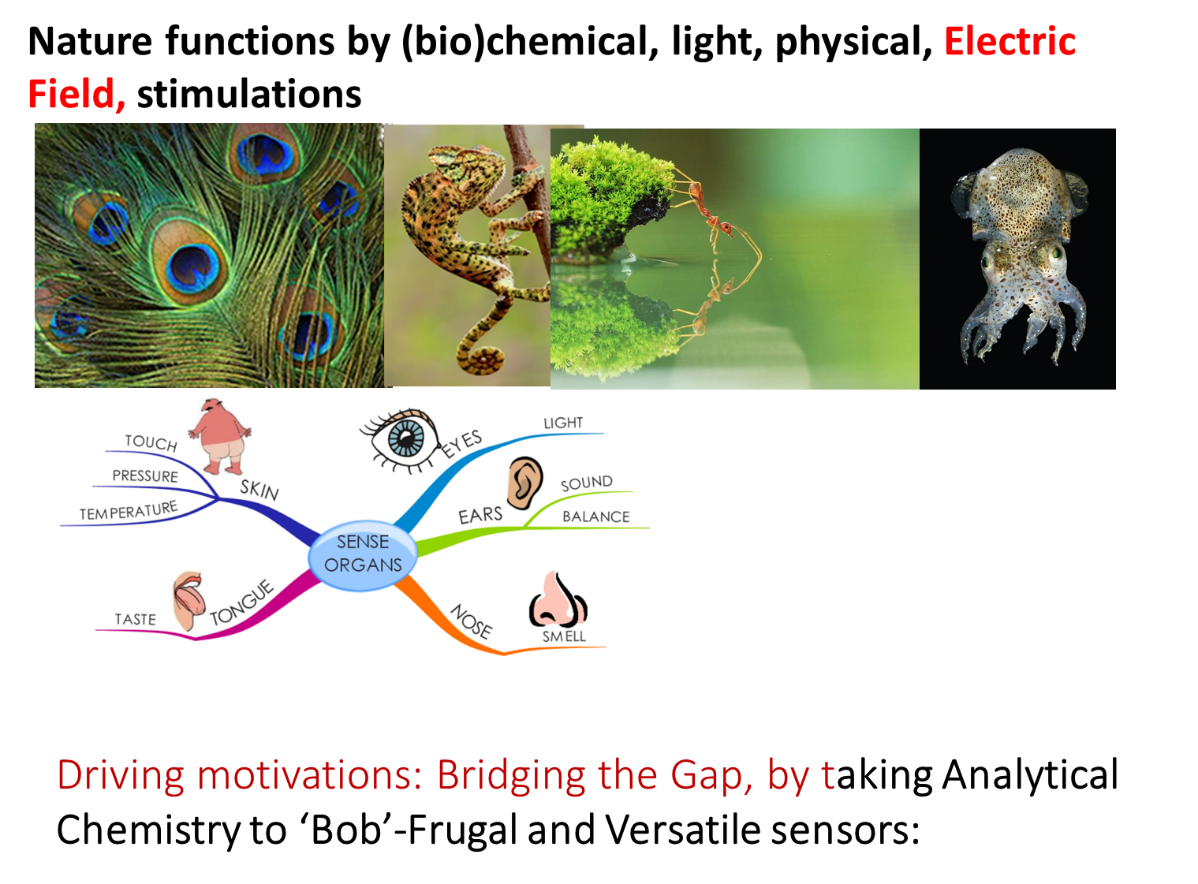
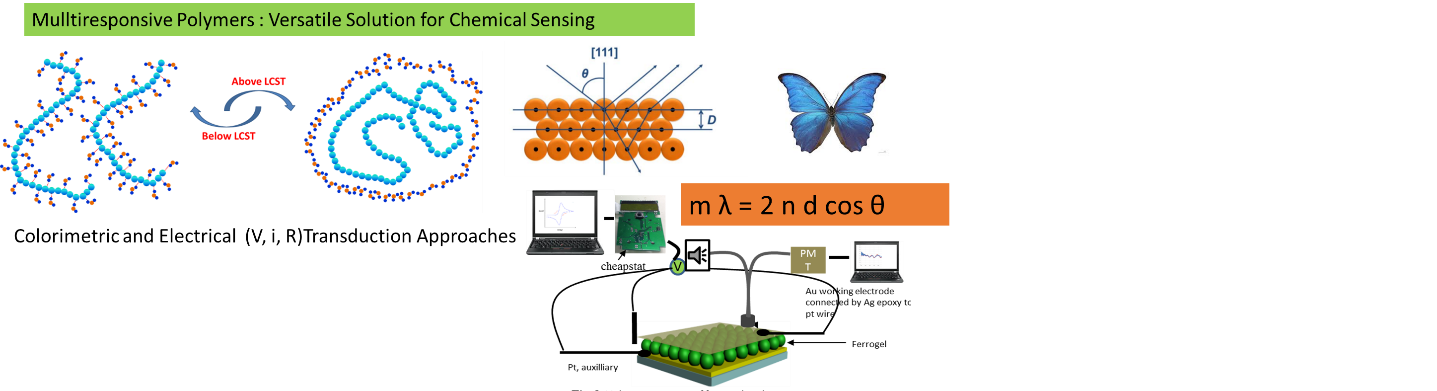
Thrust 1: Fundamental study of new functional responsive polymer nanomaterials:
We design, fabricate and fundamentally study underlying mechanisms for size and shape
tunable multiresponsive polymer nanomaterials. Inspired towards reconstructing natures tunable
materials via which life’s physiological process unfolds, we design polymer nanomaterials that can
change size and shape when triggered with among other stimuli: light, pH, touch/pressure,
redox species, small molecules (e.g. volatile compounds) etc. We also study the coupling of
enzymes and aptamers to responsive polymers, as well as design molecularly imprinted
nanomaterials.
A fundamental mechanistic understanding of multiresponsive polymer materials at the
molecular level, give insight on how to tinker and fine tuning their performance, and for
deployment in Analytical Detection Devices and Nanotechnology based products.
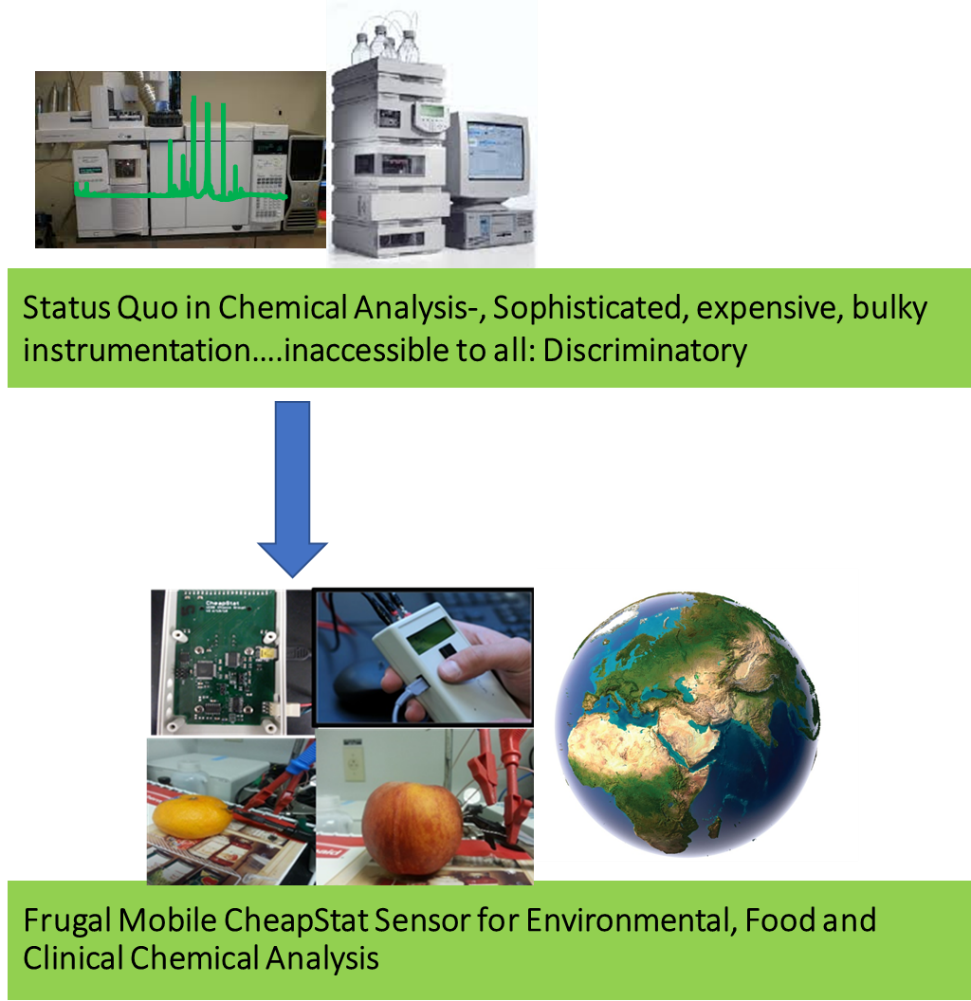
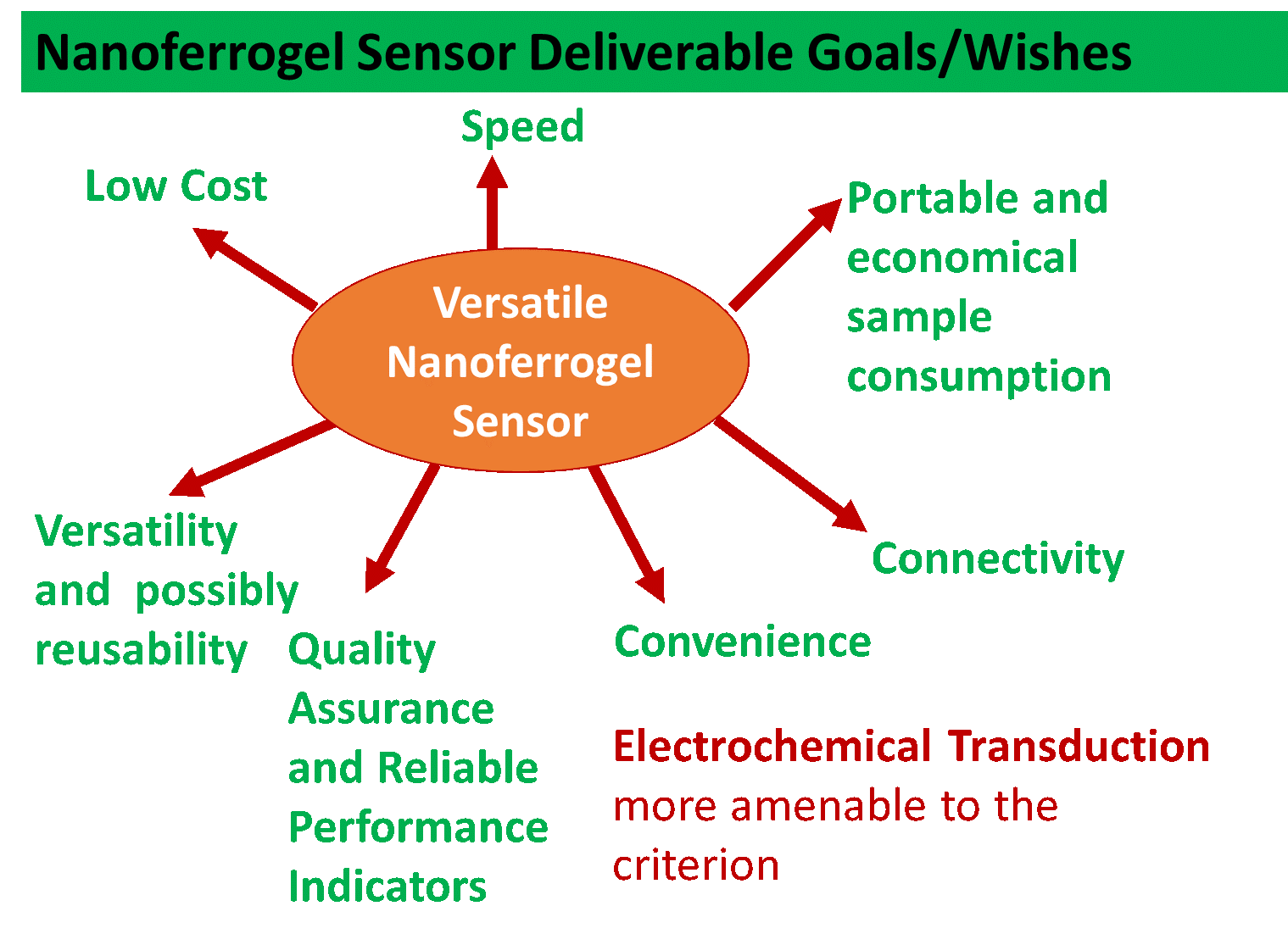
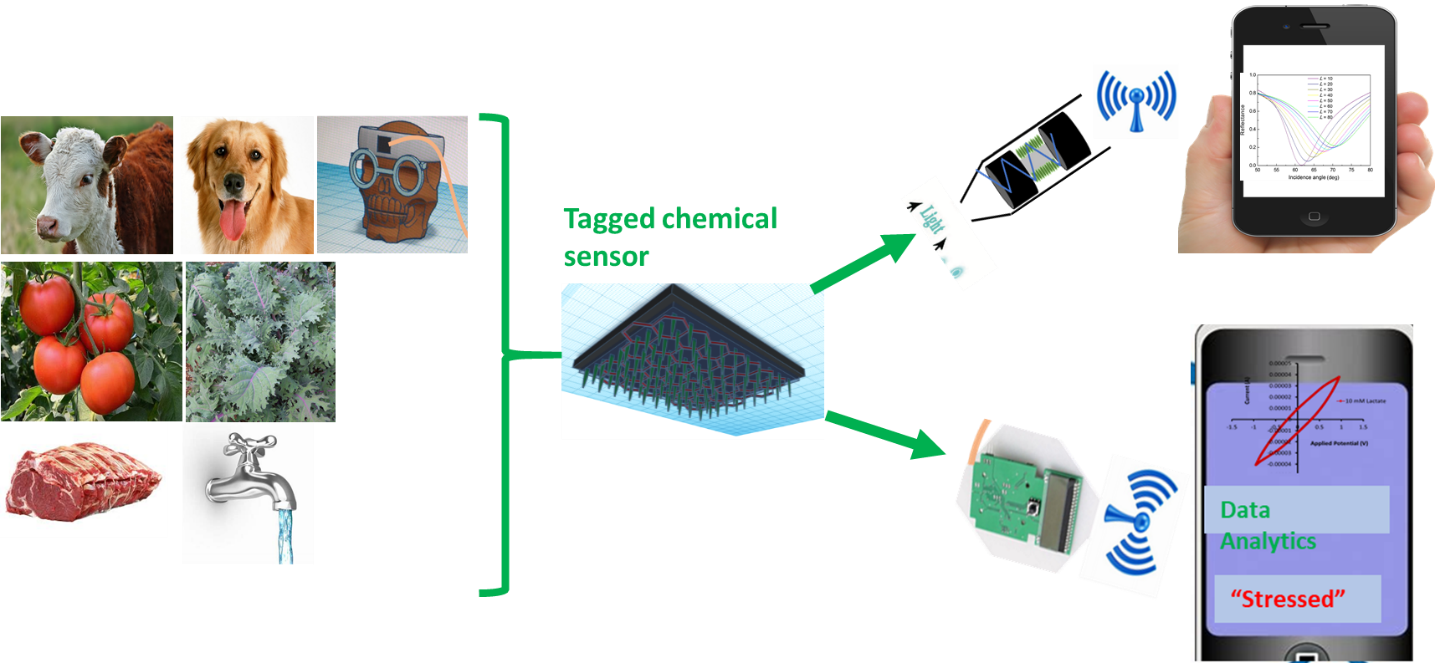
Thrust 2:We integrate multiresponsive (especially pH, redox, ionic strength) polymer nanomaterials as molecular receptors for fabrication of 3D-printed and ink-jet printed frugal, portable and non-invasive, wearable chemical sensors for on-field applications in: precision agriculture ((e.g.for monitoring livestock and plants stress metabolics), food, clinical, environmental monitoring.
Our flexible spectroelectrochemical sensors are aimed to be used by non-skilled personnel (public), bridging the discriminatory gap of science between both developed and developing countries aimedto ‘democratize’ chemistrywhere the public can be active players in data generation that can inform their health and wellness, food and environment contamination.
Interfaced to Bluetooth for wireless data transmission and analytics, we christen our sensors as ‘uber’ sensors, categorizable to the so called ‘disruptive technologies’ that will shape current and future global interconnected societies. With the meterioric growth of Internet of Things (IoT) affecting every aspect of our life’s in both the developed and developing countries, our sensors are intended to be among the IoTs, that will could contribute to remote, field and infrastructure-less chemical monitoring.
Thrust 3: Smart responsive nanomaterials for smart consumer products
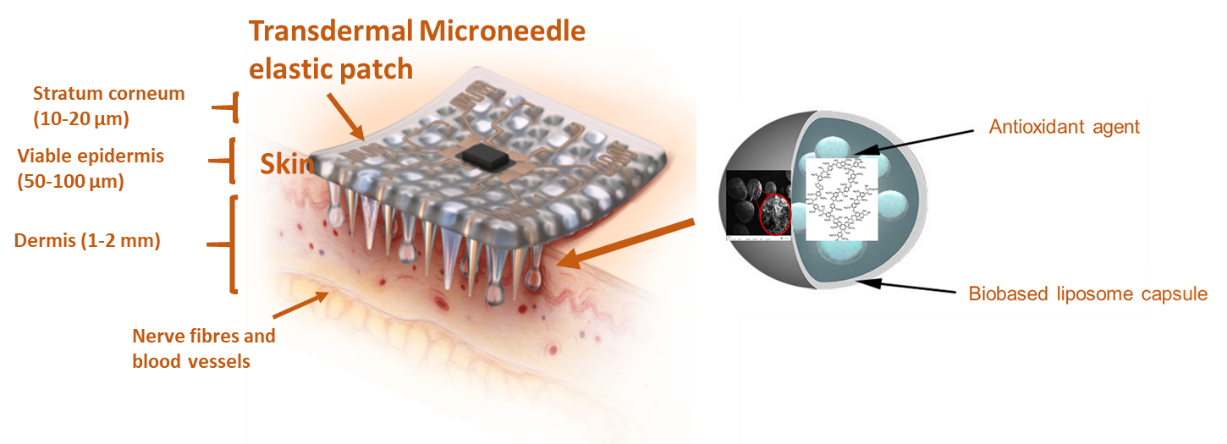
Our research goal not only involve detection/sensing but also ‘problem’ mitigation.We study the scale-up of tailor-made ‘intelligent’ responsive ecofriendly
polymer nanomaterials and evaluate their ability for controlled molecular capture and release. We focus on the usefulness of intelligent materials for environmental
contaminants remediation (air/water filtration), and targeted drug/pesticide/nutrient delivery, and active food packaging.
We study our responsive polymers for encapsulation of targeted drugs (e.g. pharmaceuticals, herbicides, pesticides, nutraceuticals etc.), and due to the intelligent nature
of the polymers the capsules can be designed to open up (triggered by pH' electricity, salt content, etc.), for controlled and on-demand ‘spitting out’ the content in localized
zones that need therapy.
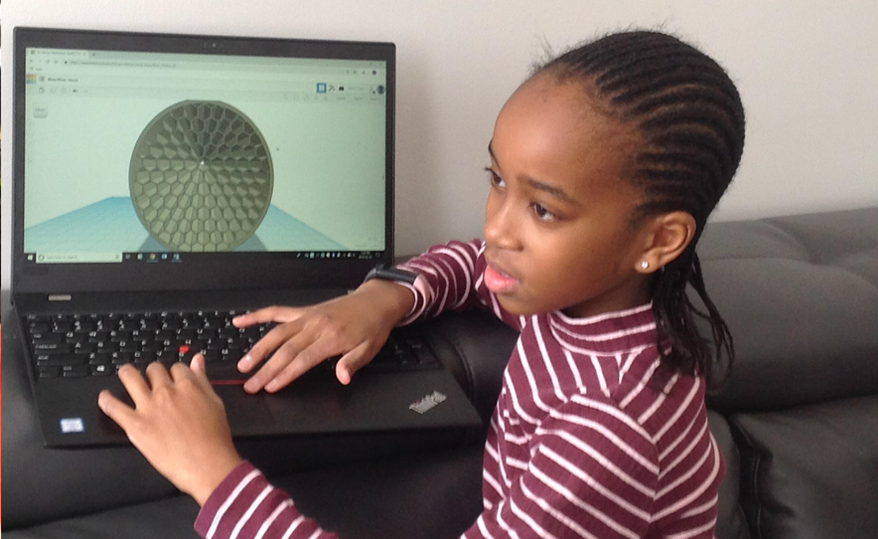
Thrust 4: Using additive manufacturing (3D printing), our responsive polymers are printed to unique functional Products Biomimetic 4D printing programmable materials: Using stimuli (e.g redox, temperature, pH etc.) responsive programmable materials we study fabrication of 4D printed adaptive smart products with dynamic shape morphing properties to self repair and self disassemble for recyclability. Interfacing science and humanity, we explore the use of these technologies for chemical sensors for food quality, environmental monitoring, precision agriculture and for integration to smart textiles.
Specific project themes underway:
- Graphite electrode entrapped by molecular imprinted polymer film for voltammetric detection of
i) antibiotics in waste water; ii) functional ingredients (e.g. resveratrol) in foods, iii) this technology has also been used for single or multi-enzyme
incorporation in the working electrode for biosensor applications (e.g. glucose, lactose sensors).
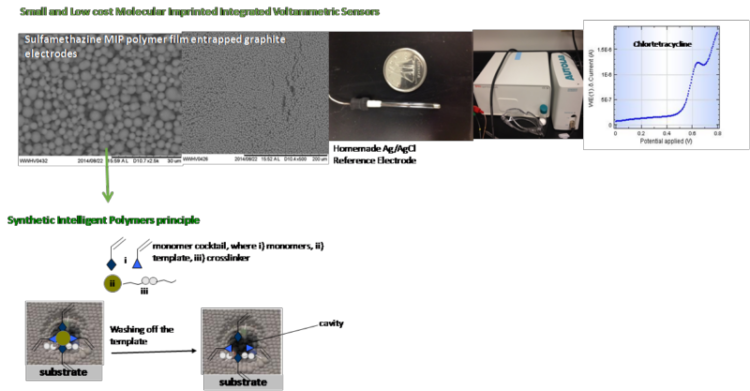
- Study of modified cellulose nanocrystals films, Janus nanoparticles, responsive polymer and nanocellulose based hydrogels, towards microencapsulation of enzymes and other target compounds. The goal for these projects are for development of integrated, low cost, on field (bio) chemical sensors.
- Molecular imprinted Porous Layer Open Tubular Microextraction (PLOT-ME) devices for rapid sampling and GC-MS Analysis
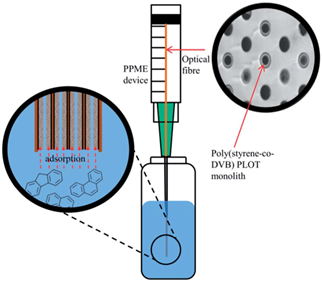
- Branched nanowax esters from unsaturated plant oils
Through a combination of step-wise chemoenzymatic processes and green biochemical catalysts, we have developed a variety of low- medium melting point
hydroxylated branched and linear wax esters from various unsaturated plant oils including, canola, camelina and Sunflower. The properties of the branched
wax esters have been enhanced by transformation into lipid nanoparticles emulsions using an electrospray process; towards application as lipid nanoencapulation agents of
antioxidants, biopesticides and flavor agents.
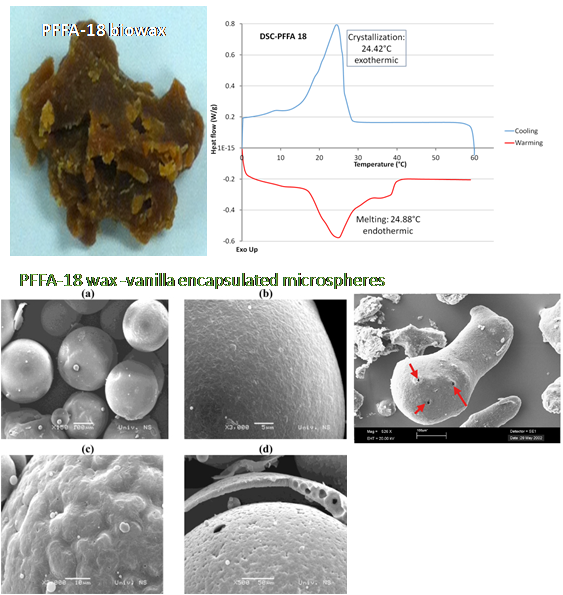
- The other key important ongoing project is the analytical scale and preparative separation of synthetic lipid antioxidants.
Current Opportunities
- Summer positions will be available in my lab next summer, contact me if you are interested
Media Feature Publications on our Research
- http://www.nserc-crsng.gc.ca/Media-Media/ResearchNewsDetails-NouvellesSurLaRechercheDetails_eng.asp?ID=874
- http://www.nserc-crsng.gc.ca/Media-Media/ResearchNewsDetails-NouvellesSurLaRechercheDetails_fra.asp?ID=874
- http://www.macewan.ca/wcm/MacEwanNews/MEETOURFACULTY_SAMUELMUGO
- https://twitter.com/MacEwanU/status/781961068323151872
- https://intercamp.wordpress.com/2010/11/04/nserc-grant-to-macewan/
- http://nwtresearch.com/sites/default/files/nwt_cangrow_northern_greenhouse_technology_report.pdf
- http://nwtresearch.com/sites/default/files/nwt_cangrow_northern_greenhouse_technology_report.pdf
- https://macewanpolarscience.blogspot.ca/
- https://www.jbhe.com/2016/05/the-new-class-of-carnegie-african-diaspora-fellows/
- http://www.iie.org/Programs/Carnegie-African-Diaspora-Fellows-Program/Host-Collaborators-and-Fellows#.WB5bxS0rKpo
- http://www.macewan.ca/wcm/MacEwanNews/FACULTY_RECEIVE_NSERC_GRANTS
- http://www.macewan.ca/wcm/MacEwanNews/STORY-NSERC-ANNA-PIENKOWSKI
Websites of personal and research Interests
http://www.sciencedaily.com/
http://frechet.cchem.berkeley.edu/
http://attra.ncat.org/
http://www.bitlifesciences.com/seb2011
http://www.samtech.at/en/bilder_dig_maz500.php
http://www3.agr.gc.ca/apps/ffn/index-eng.cfm
Green Chemists Network:
http://www.greenchemistry.ca/
http://www.greenchem.lu.se/
http://cjli.mcgill.ca/
Journals
All journals of interest:
http://www-jmg.ch.cam.ac.uk/data/c2k/cj/
http://www.ejbiotechnology.info/
http://www.sciencedirect.com/science/journal/01681656
http://www3.interscience.wiley.com/journal/110544531/home
http://www3.interscience.wiley.com/journal/69502350/home
http://www.jlr.org/
http://pubs.acs.org/journal/ancham
Conferences
http://www.aocs.org/member/section/canada/
http://www.intellectbase.org/
http://www.chemistry-conferences.com/topics/
http://www.gerli.com/calendrier2.htm
Education tools
http://www.merlot.org/merlot/materials.htm?category=2624
http://jchemed.chem.wisc.edu/
Suppliers
http://www.upchurch.com/
http://www.polymicro.com/
http://www.newport.com/
Patent Search Database
http://brevets-patents.ic.gc.ca/opic-cipo/cpd/eng/introduction.html
http://patft.uspto.gov/